

Insights from the Cleanroom Technology Conference: Putting the Human Factor First
Insights from the Cleanroom Technology Conference: Putting the Human Factor First
Toni serves as the Membership Secretary of the Managing Committee of the Contamination Control Network (CCN) and is a member of the examination team for the Cleanroom Testing and Certification Board International (CTCB-i).
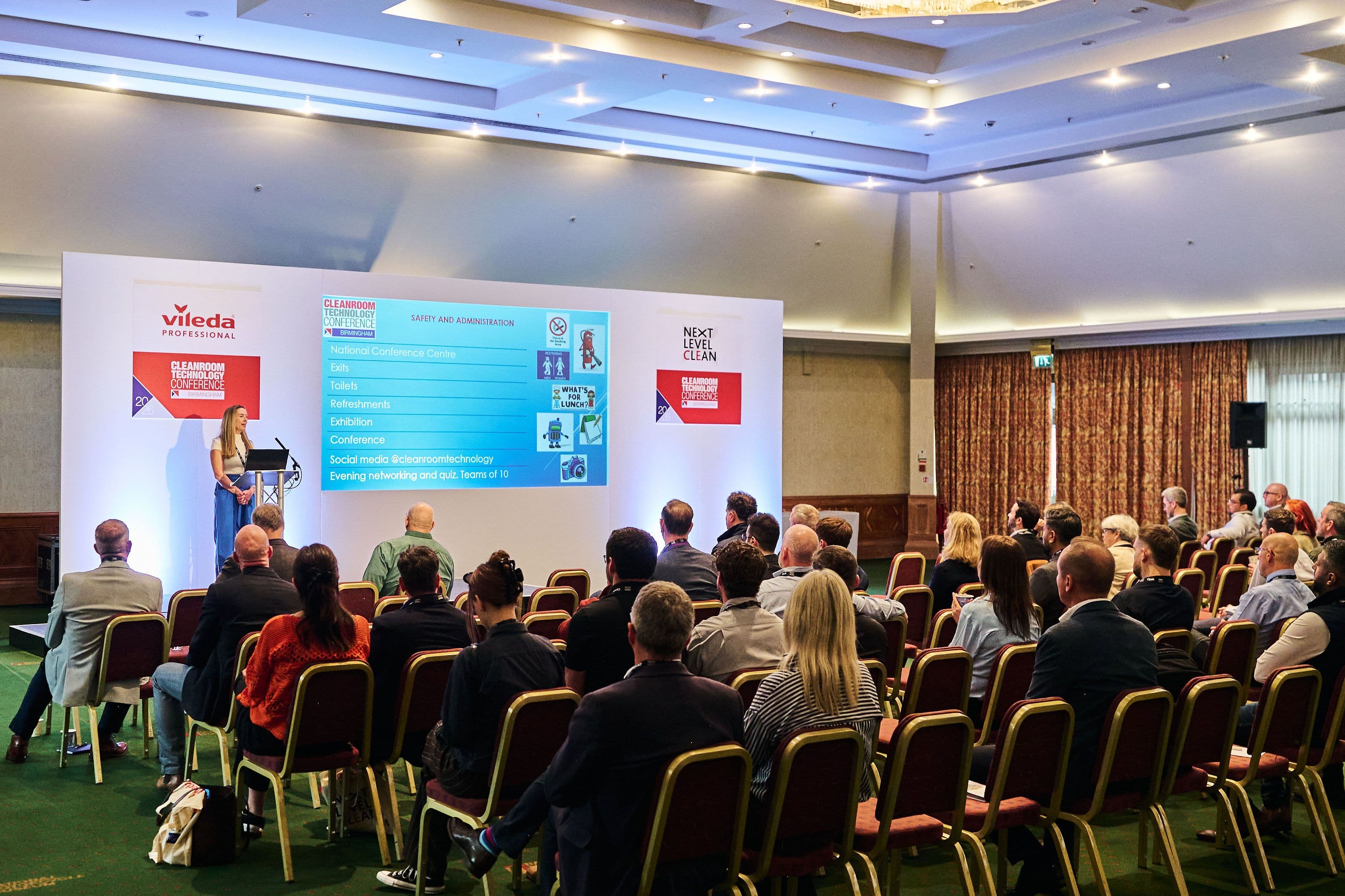
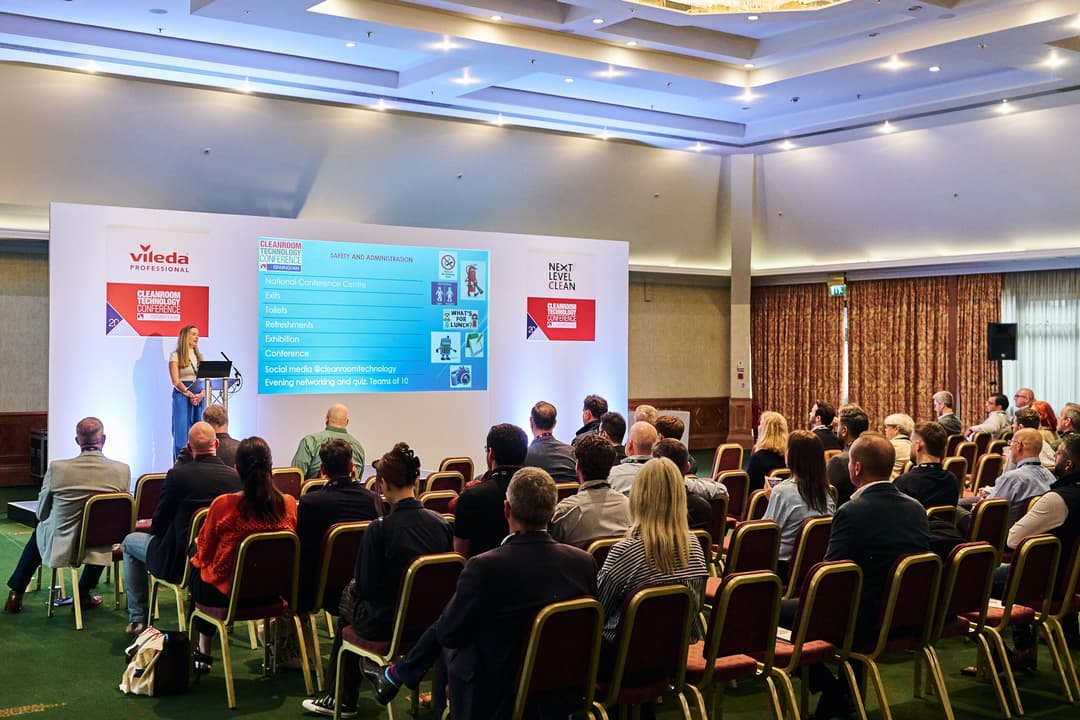
As Chair on the first day of the conference, I had the privilege of listening to fantastic presentations on the latest industry ideas and technical developments. Reflecting on the sessions, I noticed a clear, recurring theme: despite all the advanced science and technology shaping our field, the human factor remains absolutely significant.
In many controlled environments, personnel are the critical link. The most advanced systems only work exactly as intended when team members fully comply with gowning, cleaning, and manufacturing procedures.
Beyond compliance, human insight drives our industry forward. Here are the key developments and reflections from this year's speakers:
Airflow Visualisation: Moving Beyond the Particle Counter
In his presentation on smoke studies, Morgan Polen demonstrated why it is vital to physically see a test rather than just rely on data prints. Understanding how air moves in a live operating environment during a standard working day provides invaluable insights.
Seeing what happens when a door opens, or mapping the physical impact of filter placement and return air vents, requires a human expert. While particle counting is the core baseline test required for regulatory compliance, expert airflow visualisation tests offer the deeper diagnostic understanding needed to keep a facility safe.
- Why this matters: Airflow testing is not just a tick box exercise; visualising the air patterns reveals hidden contamination risks that data logs alone might miss.
Schedule an Airflow Visualisation Test
Shifting Focus to Practical Risk Assessments
Mark Hallworth’s session on Risk Assessment re-centred the conversation on how data is utilised rather than just collected. Gathering metrics is only half the battle; the real value lies in how you build those insights into your ongoing monitoring programme.
He highlighted two critical focus points for cleanroom managers:
- Planning: Meticulously identifying your true Critical Control Points (CCPs).
- Transit Zones: Ensuring changing areas and corridors are fully integrated into the monitoring routine, not left as afterthoughts.
- Why this matters: Effective risk assessment turns raw testing data into a practical, defensive shield for your daily manufacturing process.
From Paper to Digital: Environmental Monitoring Lessons
Nicole Gale provided a practical roadmap detailing her journey moving environmental monitoring from manual paper logs to a fully digitalised system. As a supplier of chemotherapy products to healthcare providers like the NHS, where contamination risks are directly life-threatening, the advantages of this transition were clear.
The primary benefits of going digital include:
- Higher data integrity across all reporting.
- Immediate opportunities for live data analysis.
- Drastically reduced transcription errors, making it simpler to demonstrate regulatory compliance.
However, the transition comes with distinct challenges. It requires upfront and ongoing technology investments, heavy involvement from internal Subject Matter Experts (SMEs), and careful process alignment. Crucially, Nicole noted that you must train operatives effectively but avoid training them too early, otherwise, critical protocols are forgotten before the system goes live.
- Why this matters: Digital environmental monitoring significantly strengthens data integrity, but its success depends entirely on timed, effective staff training.
Managing the Acoustic Environment
Controlled environments are traditionally engineered to control physical particles, but Andrea Harman of Saint-Gobain Ecophon reminded delegates to consider noise levels. While ambient noise does not alter the physical cleanliness of a room, it directly affects the people working inside it.
Excessive noise from air handling units and machinery poses direct Health and Safety risks, such as long-term hearing loss. It also introduces subtle operational dangers. By subjecting delegates to various cleanroom sounds, Andrea demonstrated that a well-designed acoustic environment directly reduces stress and anxiety, improves team communication, and sharpens concentration during complex tasks.
- Why this matters: Controlling noise levels protects your staff from fatigue, directly reducing the human errors that cause contamination events.
Driving Sustainability in Cleanroom Design
One of the most encouraging discussions centred on sustainability. Nick Bancroft and Keith Beattie delivered a brilliant digest on how modern cleanroom engineering and design can deliver significant energy savings without compromising regulatory compliance or final product integrity.
While everyone strives for greener operations, achieving sustainability often requires teams to alter their daily habits. Because human mindsets can naturally resist operational changes, it is often our perspective, rather than the technology, that acts as the stumbling block.
Their engineering projects proved that the most effective way to implement green changes is to bring your team with you rather than forcing new rules. They summarised the philosophy perfectly: "You do not convince people. You create the conditions for them to decide."
- Why this matters: True energy efficiency in a cleanroom requires a combination of smart engineering and a company culture that welcomes operational change.
Looking Forward
We also explored the operational differences between active and passive cleaning, practical testing methods for cleanroom consumables, and the rapid deployment of prefabricated modular cleanrooms.
Over the coming months, I will be sharing deeper breakdowns of these presentations alongside insights from the second day of the event. This year's conference delivered an exciting, stimulating mix of ideas from some of the most respected names in contamination control.
Is your facility fully prepared for its next regulatory audit? Do not leave compliance to chance. Contact our team today for a straightforward, expert discussion about your upcoming validation requirements. Call us on 0161 529 2816 or click below to secure your date.
