



Disposable vs Reusable Gowns: Navigating the Cleanroom "Green Dilemma"
In controlled environments where the margin for error is zero, the choice between disposable vs reusable gowns is a pivotal strategic decision. Manufacturers often face a "Green Dilemma": how do you meet ambitious sustainability targets without compromising the sterile integrity of an ISO-rated cleanroom?
At the recent Cleanroom Technology Conference, industry leaders from DuPont, Ansell, and Elis presented a wealth of evidence to help manufacturers make an informed choice. From the stringent requirements of GMP Annex 1 to the practicalities of laundry logistics, here is an in-depth look at how these two gowning strategies compare.
The Critical Role of Cleanroom PPE
Despite the rapid rise of robotics and automation, the human operator remains the most significant source of contamination. People are constantly shedding skin cells, hair, and microorganisms. In this context, cleanroom apparel is your primary filter.
The stakes of choosing the wrong PPE are incredibly high. As Jo Fabb from Ansell highlighted, incorrect gowning choices have led to:
- Catastrophic Outbreaks: A case of inadequate sterile PPE led to a fungal meningitis outbreak resulting in 64 deaths.
- Massive Financial Loss: Fibre shedding from low-grade fabrics and weak seams caused a recall of 100,000 product vials, devastating the manufacturer’s reputation.
To mitigate these risks, GMP Annex 1 (Part 7) provides a clear guide: garments must protect the product from contamination, be appropriate for the cleanroom grade, and be qualified through routine replacement and rigorous integrity testing.
Sterilisation Methods: A Deep Dive for Reusables
For operators who determine that reusables are the best fit for their process, the next step is selecting a sterilisation method. As Arthur Lettinga from our partner organisation Elis (with whom we offer gowning hire and laundry services) noted, there is often a misconception between "Sterile" (Log-6 reduction of microorganisms) and "Aseptic" (reducing risk through controlled processes).
When evaluating disposable vs reusable gowns, the following sterilisation methods for reusables must be considered:
1. Autoclaving (Moist Heat)
Autoclaving is a safe and cost-effective technique. It is often preferred for its lower CO2 emissions and its ability to extend the textile’s lifecycle. However, it is unsuitable for heat-sensitive materials and requires significant on-site or nearby infrastructure.
2. Gamma Irradiation
This method uses radiation to sterilise goods in their primary packaging. While it is highly effective and requires no heat or moisture, it can be costly and less flexible. Crucially, repeated irradiation can degrade the quality of the textile over time and is unsuitable for garments containing RFID chips.
3. Ethylene Oxide (ETO)
ETO is a chemical process that is gentle on elastics and fabrics. While it offers deep penetration and a long product life, it is a time-consuming, toxic, and flammable process that is rarely available on-site, adding to the logistical complexity of reusable programmes.
Why Disposables Are Gaining Ground
One of the most compelling insights from the conference came from Steve Marnach at DuPont. He explained a shift in emphasis in the latest documentation toward a proactive, risk-based validation of PPE.
Because human beings shed millions of skin cells per minute, the gown acts as a filter. The challenge is ensuring this "filter" remains efficient over its entire lifespan.
The "Body Box" and Helmke Drum Testing
While the Helmke Drum Test is a respected system for monitoring garment shedding, it has limitations. The industry is moving toward "Body Box" testing, which enables both human and material particles to be tested simultaneously.
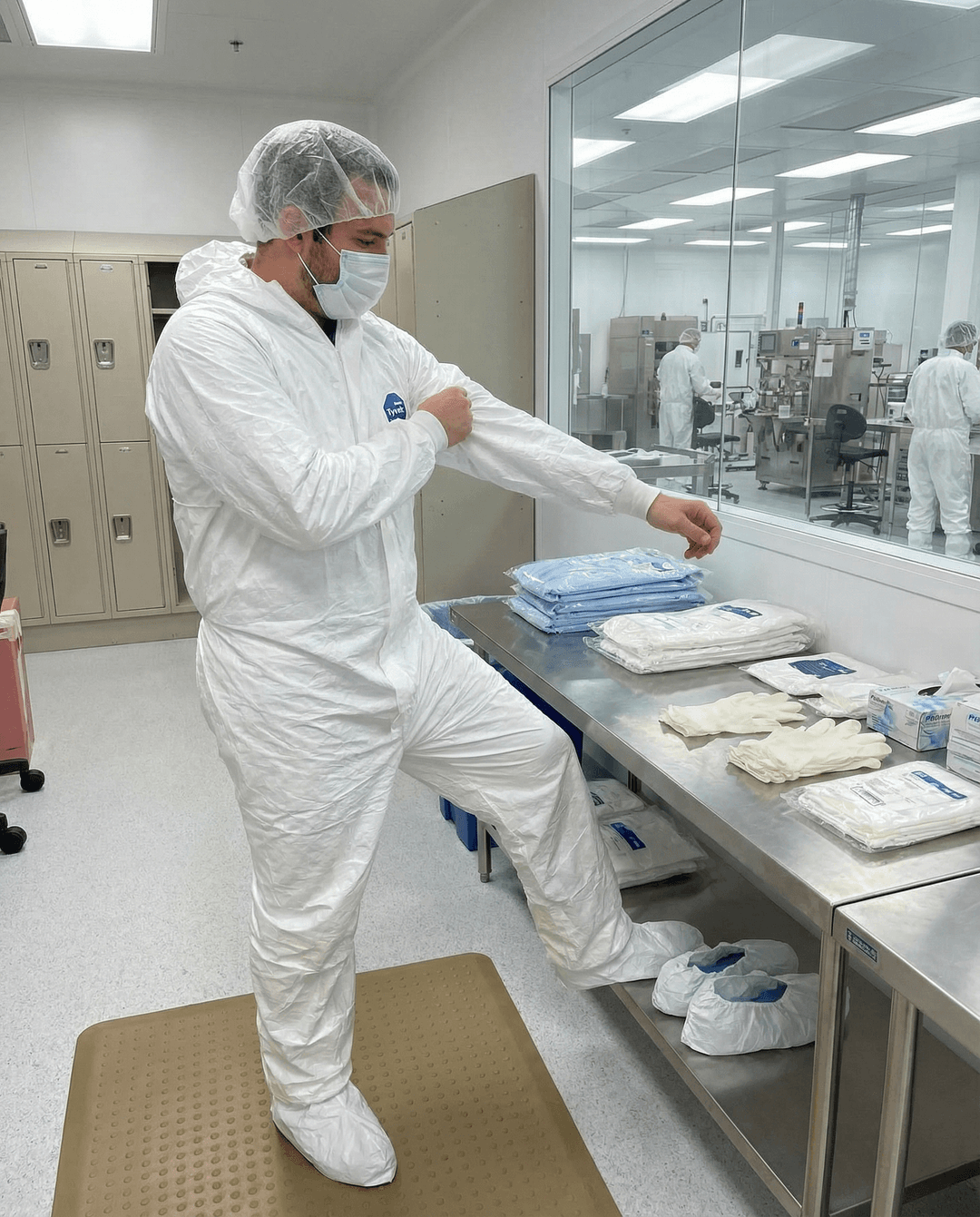
The evidence presented suggests that disposable gowns are consistently more efficient at containing human particles. Unlike reusable garments, which may suffer from fabric thinning or seam weakness after 40 or 50 laundry cycles, a disposable gown provides peak filtration every single time it is worn.
Balancing Cost and Sustainability
The financial argument for disposable vs reusable gowns is complex. While a single-use gown has a higher upfront cost per use, the "reusable" choice carries significant hidden expenses:
- Labour and Inspection: The time required to inspect every garment for tears or seam failures.
- Laundry and Repair: The ongoing costs of professional cleanroom laundering.
- Inventory Management: Catering for various sizes and staff turnover, which can lead to high levels of "inventory shrinkage."
The Sustainability Shift
To address the "disposable waste" issue, initiatives like Ansell’s ‘RightCycle’ are transforming the industry. This service allows for the recycling of non-hazardous PPE into eco-friendly products. When you factor in the massive amounts of water and energy required for industrial cleanroom laundering, the carbon footprint of a disposable gown is becoming increasingly competitive.
Making an Informed Choice
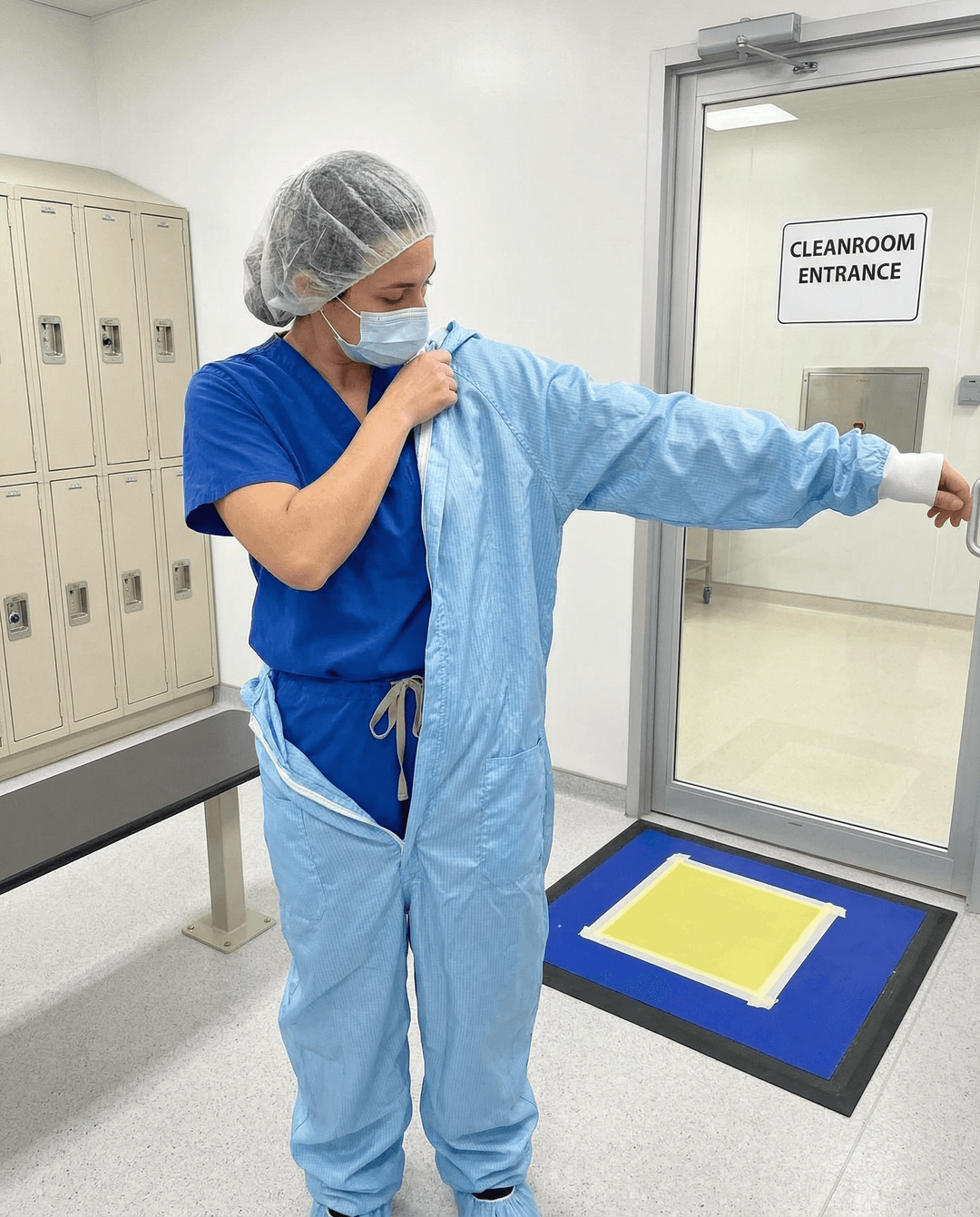
Ultimately, the choice between disposable vs reusable gowns must be made on a case-by-case basis. However, the research is clear: for higher-grade cleanrooms (ISO 5 and ISO 6), the superior particle containment and guaranteed integrity of disposable gowns make them a compelling choice for risk-averse manufacturers.
At ISO Cleanroom, we have years of expertise in helping clients navigate these decisions. Whether you require a managed laundry service for reusables or a high-performance disposable gowning strategy, we can help you balance contamination risk against cost and sustainability.
Would you like to discuss your gowning strategy with an expert?
Contact Toni Horsfield at ISO Cleanroom by calling 0161 529 2816 or email sales@isocleanroom.co.uk.
